


Connect an exhibition conversation to a useful follow-up
The most useful exhibition follow-up starts with the promise made at the stand. Record what the person asked for, who will respond and what they agreed to receive, then make the next message fulfil that promise.
Put the advice into practice
Give the first enquiry a useful follow-up
Plan campaigns, nurture and customer emails with clear triggers and review.
Plan your email programmeA badge scan can record that you met. It usually cannot explain why the conversation mattered. Without that context, a thoughtful discussion can become an indistinct contact in a spreadsheet and a generic “great to meet you” email.
This guide covers the handover from a specific event conversation to a useful next step. It is narrower than building a long-term lead-nurture programme, and it begins before the exhibition opens.
Agree what the team should capture
Choose a small set of fields that staff can complete during a busy event. The record should help the next person continue the conversation without collecting unnecessary personal detail.
- Contact name, organisation and the contact details provided.
- The event and date of the conversation.
- The practical question or need discussed.
- The material, answer or next step requested.
- The person responsible for responding.
- The agreed timing, if any.
- The scope and source of any marketing permission.
Use a short factual note rather than a subjective judgement. “Asked whether the unit fits a 900 mm opening” is more useful than “hot lead”. Avoid speculative comments about the person or information that has no bearing on the follow-up.
If the team uses a scanner or event app, test how those notes export. A field visible on the device may not arrive in the CRM. Find that out before the only copy is sitting on a hired scanner that has been returned.
Distinguish the requested follow-up from ongoing marketing
Be clear at the stand about what will happen next. Sending a requested specification is a different expectation from adding someone to an ongoing newsletter.
ACMA explains that express consent can be given face to face and that businesses should keep a record of who agreed, when and how. Do not treat access to an attendee list or a scanned badge as automatic permission for every future campaign.
If you invite ongoing marketing, explain its purpose and record the choice separately from the immediate request. Review your event forms, organiser arrangements and intended messages with the person responsible for compliance. This article is a workflow guide, not a determination of consent in an individual case.
Carry existing suppression records into the event process. A familiar customer who has opted out of promotional email should not silently become subscribed again because their badge was scanned at a stand.
Sort by the next useful action
After the event, do not make every contact enter the same sequence. First check the notes and classify the work that was actually promised.
- Send information: provide the specific guide, specification or example requested.
- Answer a question: route it to the person who can give an accurate response.
- Arrange a conversation: follow the agreed process for choosing a time.
- Prepare a scope: gather the missing requirements before assuming a quote is ready.
- No follow-up agreed: do not invent a sales commitment from a casual conversation.
Set priorities around urgency and promises, not only potential deal size. A straightforward request made for Monday should not wait because a larger, less defined opportunity looks more exciting.
Where the notes are incomplete, ask the staff member who had the conversation before drafting. If no one can recover the context, be honest about what you know rather than fabricating a detail to sound personal.
Make the first message recognisable
A good first message gives the recipient enough context to place you and immediately provides what they requested. Keep any proposed next step proportionate to the conversation.
This illustrative example assumes the person explicitly requested the material and the content has been checked:
Subject: The installation guide we discussed at [event]
Thanks for speaking with us about the space constraints at your site. You asked for the installation requirements for [product], so here is the current guide: [link].
The clearance diagram is on page [number]. We have not assessed your site, so the guide should be treated as a starting point rather than confirmation that the product will fit.
If you would like us to check the next step, reply with the information listed in the guide and [responsible person] can explain the review process.
Replace placeholders and verify every statement before using a structure like this. Include applicable sender and unsubscribe information for commercial messages.
Notice what the example avoids: an unrelated company introduction, an assumed booking and a claim that the product is suitable before anyone has assessed the requirements.
Keep the promise visible through the handover
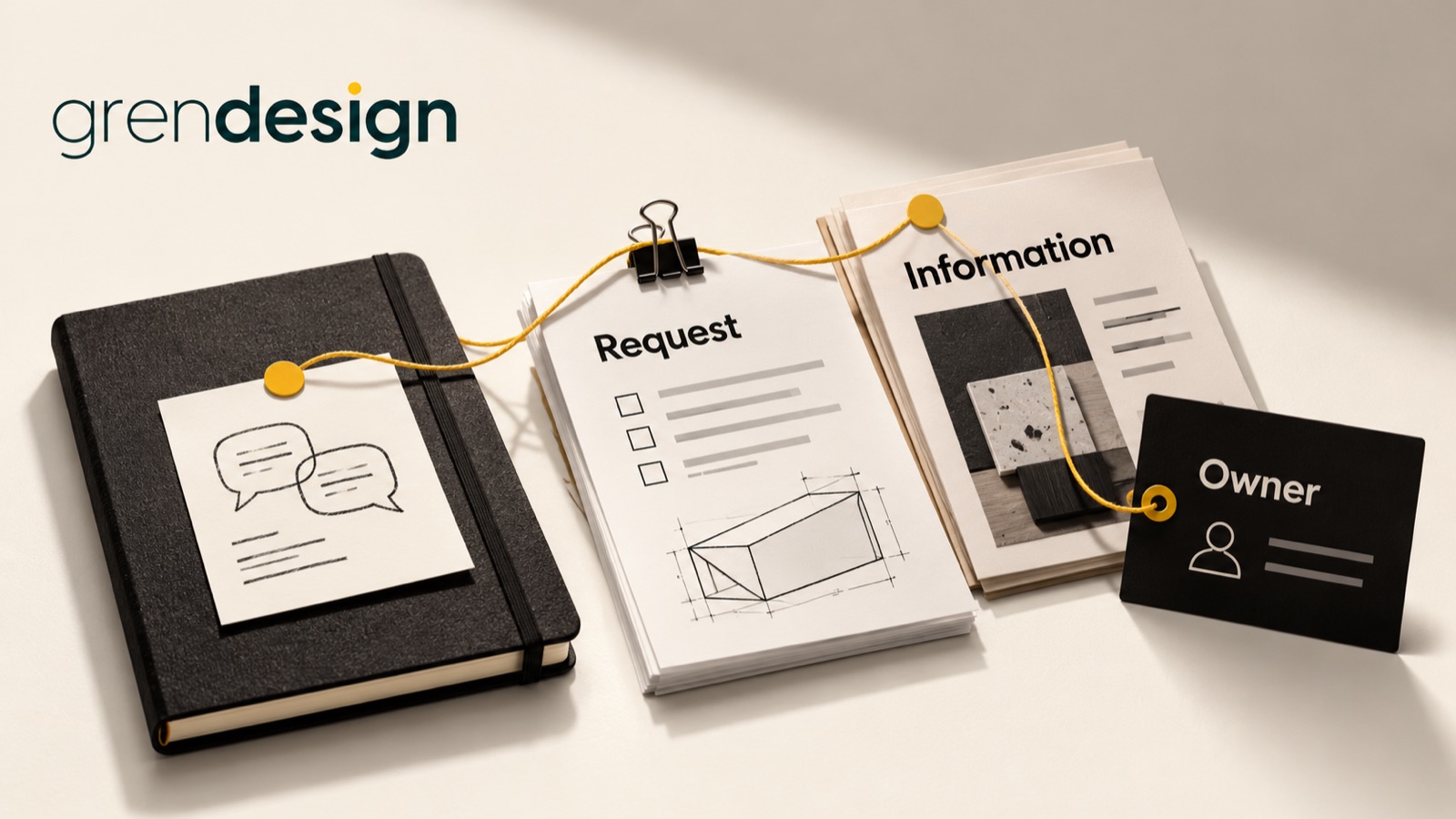
The person who met the visitor may not be the person who fulfils the request. Assign a named owner and ensure the relevant note travels with the task.
Use statuses that describe real progress. “Imported” means the record exists. “Assigned” means someone owns it. “Sent requested material” means the promise has been acted on. “Awaiting technical answer” exposes unfinished work.
Set an escalation route if the owner is absent or the requested answer needs another team. A contact should not disappear because a salesperson returned from the exhibition to a full inbox.
If a promised deadline cannot be met, a factual update is more useful than silence. Explain what remains and give a revised timing only when the responsible person can support it.
Check duplicates before creating new records. An existing client conversation may belong with the account manager, not in a new-business workflow that ignores the relationship.
Review fulfilled promises before counting leads
Start the event review with operational questions: how many specific requests were recorded, how many were fulfilled, which remain open and whether replies reached the right people.
Then examine commercial progression over an appropriate period. Separate requested information, qualified opportunities, proposals and completed business. A scan is not a qualified opportunity simply because it has contact details.
Allow for the length of the buying cycle and other influences. An existing customer may have attended the event while already discussing a project. Record the event’s contribution without crediting it for the entire relationship.
Use what the team heard to improve future materials. Repeated questions about installation, suitability or lead times may point to a missing guide. Capture those themes without exposing private visitor information.
For contacts with no further agreed next step, use the permission and stop rules already established. Do not let a missed reply become an indefinite chase.
Give the next event a clearer follow-up brief
Prepare the capture fields, useful materials and response owners before the stand opens. Explore Grendesign’s B2B marketing services to discuss event follow-up, with email marketing support scoped around the messages your team needs.
