


What is Business Automation? How to Fix Costly Bottlenecks Hidden Inside Your Business
Introduction
Most businesses think growth comes from generating more leads, hiring more salespeople, or increasing their marketing spend.
Sometimes it does. But many Australian businesses are leaking profit elsewhere. The problem often sits behind the scenes, buried inside disconnected software, manual processes, duplicated data entry and inefficient workflows.
The reality is simple. If your team spends hours moving information from one system to another, your business is paying for work that software should be doing automatically.
Business automation solves this problem.It connects your systems, removes repetitive manual tasks and allows information to move through your organisation without requiring staff to constantly intervene.
For growing businesses, automation often delivers a greater return on investment than hiring additional administration staff or increasing advertising budgets.
What Is Business Automation?
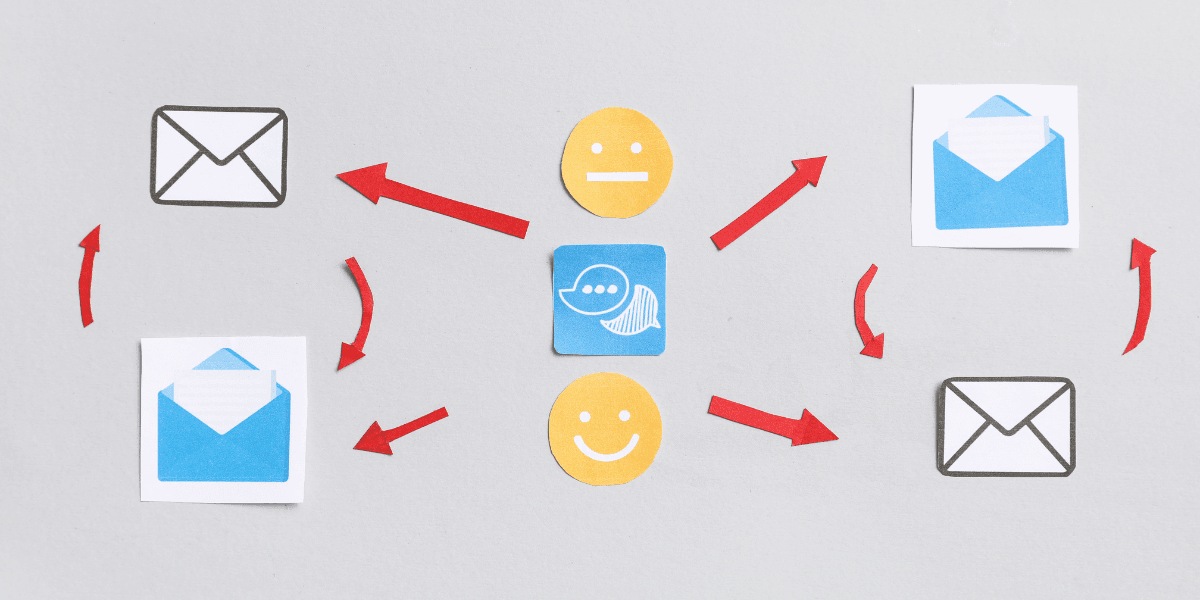
Business automation is the process of using technology to automatically perform tasks, workflows and business processes that would otherwise require manual effort.
Rather than relying on employees to update records, send notifications, create tasks, generate reports or transfer information between systems, automation handles these actions automatically based on predefined rules and triggers.
A well-designed automation system can connect:
- Websites and enquiry forms
- CRM platforms
- Accounting software
- Inventory systems
- Project management tools
- Marketing platforms
- Customer support systems
- Internal databases
- AI agents and business intelligence tools
The goal is not to replace people. The goal is to eliminate repetitive work so your team can focus on higher-value activities such as sales, customer service, strategy and business growth.
What Are Workflow Bottlenecks?
A workflow bottleneck occurs when a process slows down because information cannot move efficiently from one stage to another.
These bottlenecks are surprisingly common.
Many businesses have accumulated software over time. One department uses one platform, another team uses something different, and nobody has properly connected them together.
As a result, staff become the unofficial integration layer between systems.
Common examples include:
- Downloading spreadsheets from one platform and uploading them into another
- Copying website enquiries into a CRM
- Manually creating invoices after a sale
- Updating customer records across multiple systems
- Sending repetitive status updates to clients
- Chasing approvals via email
- Re-entering information that already exists elsewhere
These tasks may only take a few minutes each time.
Across dozens of employees and hundreds of transactions, they can consume hundreds of hours every month.
The Hidden Costs of Manual Processes
Most business owners underestimate how expensive inefficient workflows really are.
The cost extends far beyond staff wages.
Slower Customer Response Times
Speed matters. When a potential customer submits an enquiry, every minute counts.
If leads sit in an inbox waiting for manual review, competitors who respond faster often win the opportunity first. Modern businesses can automatically:
- Route enquiries to the right team member
- Send instant acknowledgements
- Create CRM records
- Schedule follow-up tasks
- Trigger nurturing campaigns
All within seconds of receiving an enquiry.
Data Entry Errors
Humans make mistakes. Typos, duplicated records, incorrect contact details and missing information create operational problems that become increasingly costly as businesses grow.
Automated workflows ensure information is captured once and distributed accurately across connected systems.
This creates a single source of truth throughout the organisation.
Reduced Productivity
Highly skilled employees should not spend their day copying information between applications. Administrative work often expands to fill available time.
Automation allows staff to focus on activities that actually generate value rather than maintaining disconnected systems.
Poor Customer Experience
Customers rarely see internal workflow problems directly. They experience the symptoms.
These include:
- Delayed responses
- Missed follow-ups
- Incorrect information
- Duplicate communications
- Slow onboarding processes
Automation helps create a smoother customer experience by ensuring information reaches the right people at the right time.
Signs Your Business Needs Automation
Many organisations already know they have inefficiencies but are unsure whether automation is the answer.
You should investigate automation if:
- Staff spend significant time entering data manually
- Multiple systems contain the same information
- Leads are occasionally missed or forgotten
- Customer onboarding feels slow
- Reporting requires manual compilation
- Projects rely heavily on spreadsheets
- Team members regularly copy and paste information
- Customer records become inconsistent between systems
- Business growth requires hiring more administrative staff
If several of these sound familiar, there is a strong chance your workflows contain automation opportunities.
What Can Be Automated?

Modern automation platforms can handle far more than simple notifications. Examples include:
Lead Management
Automatically capture leads from your website, qualify them, assign them to the correct sales representative and trigger personalised follow-up sequences. Businesses frequently automate lead routing, scoring and CRM updates to reduce response times and improve conversion rates.
Customer Onboarding
Create accounts, send welcome packs, schedule meetings, assign tasks and update customer records without manual intervention.
Finance and Accounting
Connect sales systems directly with accounting platforms to generate invoices, reconcile payments and maintain accurate records.
Project Management
Automatically create projects, assign resources, generate tasks and notify stakeholders when key milestones are reached.
Marketing Automation
Trigger email campaigns, segment audiences, score leads and personalise communications based on customer behaviour.
Reporting and Analytics
Collect information from multiple systems and generate reports automatically, giving management access to real-time business insights.
AI-Powered Workflows
Modern automation platforms can incorporate artificial intelligence for tasks such as document processing, lead qualification, sentiment analysis, email routing and customer support.
How System Integrations Create a Connected Business
Automation becomes far more powerful when your software platforms are connected.
Instead of operating as isolated tools, each system becomes part of a larger workflow.
For example: A customer submits a website enquiry.
The automation then:
- Creates a new contact in your CRM
- Assigns the enquiry to the appropriate team member
- Sends a confirmation email
- Creates a task in your project management platform
- Updates internal reporting dashboards
- Triggers a follow-up workflow if no response occurs within a set timeframe
The customer sees a seamless experience. Your team avoids manual administration. The business gains better visibility and control.
This type of workflow orchestration has become increasingly accessible through platforms such as n8n, Make and Zapier, which allow businesses to connect hundreds of applications and custom systems.
Why AI and Automation Work Best Together
There is significant discussion about AI replacing jobs.
In practice, the greatest value often comes from combining AI with workflow automation.
Automation handles predictable processes. AI handles information and decision-making. Together they can:
- Categorise enquiries
- Extract information from documents
- Draft responses
- Route requests to the correct department
- Analyse customer sentiment
- Prioritise leads
- Summarise reports
The result is not simply faster workflows. It is smarter workflows.
How Automation Helps Businesses Scale
Growth creates complexity.
More customers generate more enquiries, more projects, more invoices and more administration.
Without automation, businesses often solve this problem by hiring additional staff.
While recruitment is sometimes necessary, many organisations discover they can significantly increase capacity by improving operational efficiency first.
Automation allows businesses to:
- Handle higher workloads
- Improve consistency
- Reduce operational costs
- Increase profit margins
- Improve customer experience
- Scale without proportional increases in headcount
The strongest automation projects focus on solving expensive business problems rather than simply implementing technology. The value comes from removing friction, improving efficiency and creating measurable operational improvements.
Business Automation Services from Grendesign
At Grendesign, we help businesses identify workflow bottlenecks, connect disconnected software platforms and design automation systems that support long-term growth.
Our team works across CRM platforms, accounting systems, websites, marketing technology, AI tools and operational software to create workflows that reduce manual effort and improve business performance.
Whether you need a simple integration between two platforms or a fully connected automation ecosystem, we focus on practical solutions that save time, reduce errors and help your team work more effectively.
Ready to Identify Your Biggest Workflow Bottlenecks?
If your staff are still acting as the bridge between disconnected systems, there is a good chance automation can save your business time, money and frustration.
Speak with the Gren Design team to review your existing workflows and uncover opportunities to automate repetitive processes, connect business systems and create a more efficient operation.
Let’s work together
Chat to our team on a FREE 15 min discovery call to see how we can help.
Frequently Asked Questions (FAQ) About Business Automation
What is business automation?
Business automation is the use of software, integrations and technology to complete repetitive business tasks automatically. It reduces manual work, improves accuracy and allows teams to focus on higher-value activities such as customer service, sales and strategic growth.
What are the benefits of business automation?
Business automation can help businesses:
– Reduce administrative workload
– Improve customer response times
– Eliminate data entry errors
– Increase operational efficiency
– Improve customer experiences
– Lower operating costs
– Scale without significantly increasing headcount
What business processes can be automated?
any business processes can be automated, including:
– Lead capture and sales enquiries
– Customer onboarding
– Invoice creation
– Marketing campaigns
– Appointment scheduling
– Reporting and analytics
– Internal approvals
– Customer support workflows
– Project management tasks
How do I know if my business needs automation?
Your business may benefit from automation if your team regularly:
– Copies data between systems
– Uses spreadsheets to manage processes
– Performs repetitive administrative tasks
– Experiences delays in responding to enquiries
– Maintains duplicate customer records
– Struggles to keep information consistent across platforms
What is the difference between automation and AI?
Automation follows predefined rules to complete tasks automatically.
Artificial intelligence can analyse information, make recommendations and perform more complex decision-making.
The most effective systems often combine both. Automation manages the workflow, while AI helps process information and support decisions.
Can business automation work with my existing software?
n most cases, yes. Modern automation platforms can connect hundreds of applications, including CRM systems, accounting software, project management tools, marketing platforms and custom databases. This allows businesses to create seamless workflows without replacing existing software.
What is a business automation workflow?
A business automation workflow is a series of automated actions triggered by a specific event.
For example, when a customer submits a website enquiry, a workflow might automatically create a CRM record, notify a sales representative, schedule a follow-up task and send a confirmation email.
How much can business automation save a company?
The savings depend on the complexity of your processes and the amount of manual work being eliminated.
Many businesses save hundreds of staff hours each year, reduce administrative costs and improve conversion rates simply by removing workflow bottlenecks and reducing delays.
What is n8n and why are businesses using it?
n8n is a powerful workflow automation platform that allows businesses to connect software systems, automate processes and build custom workflows.
Unlike many off-the-shelf automation tools, n8n offers greater flexibility and can support complex business processes, custom integrations and AI-powered workflows.
How can Grendesign help with business automation?
Grendesign helps businesses identify workflow bottlenecks, connect disconnected software platforms and implement automation solutions that improve efficiency and support growth.
Our team designs custom automation workflows, system integrations, AI-powered processes and operational improvements tailored to your business requirements.